Who is at Fault in a Florida Multi-Vehicle Accident?
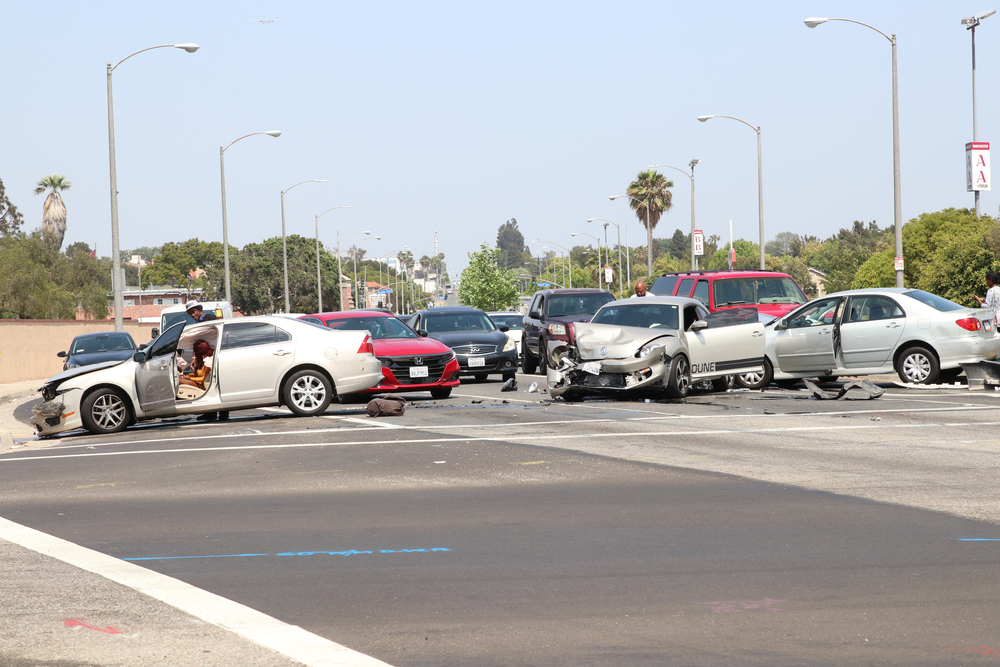
Being involved in a car crash is a stressful experience. That stress multiplies when the collision involves three, four, or even more cars. After the dust settles, the most pressing question becomes clear: who is actually responsible for the damage?
Determining vehicle accident fault in a standard two-car collision can be challenging enough. When a multi-vehicle accident occurs, piecing together the exact sequence of events requires a thorough investigation. Multiple drivers may share the blame, and insurance companies will aggressively fight to minimize their financial responsibility.
Understanding how liability works in Florida is critical if you want to recover compensation for your injuries and property damage. The Law Offices of Amanda E. Wright explains how fault is assigned, the evidence needed to prove your case, and the steps you should take to protect yourself after a pileup.
Understanding Florida’s 51% Fault Rule
Historically, Florida operated under a “pure comparative negligence” system, meaning you could recover damages even if you were 99% at fault. However, the legal landscape recently shifted. As of late 2023, Florida law operates under a modified comparative negligence system.
Under this new framework, fault is still split by percentages among all the parties involved. Your total compensation is reduced by your specific percentage of blame. But there is a major catch: the 51% fault rule. If an investigation determines that you are 51% or more responsible for the multi-vehicle accident, you are legally barred from recovering any damages at all.
This strict threshold makes establishing precise vehicle accident fault more important than ever. Even a slight shift in the assignment of blame can mean the difference between receiving a settlement and walking away with nothing.
Investigating the Chain Reaction
Multi-vehicle crashes often take the form of a chain reaction. One car rear-ends another, pushing that second car into a third, and so on. In these scenarios, identifying the primary driver at fault is a top priority for investigators.
Typically, the concept of “initial impact liability” applies. The driver who causes the very first collision in the chain reaction is often held primarily responsible for the subsequent crashes. For instance, if a driver fails to stop at a red light and plows into a line of stopped cars, that initial driver will likely bear the majority of the vehicle accident fault.
However, liability is rarely that simple. A secondary driver might be assigned a portion of the blame if they were following too closely or driving a vehicle with faulty brakes, which worsened the overall impact.
Crucial Evidence for Proving Fault
Because multiple parties and insurance companies are involved, you cannot rely on a simple exchange of stories to determine fault. Hard evidence is essential to establish negligence and protect your right to compensation.
Key pieces of evidence include:
- Police Reports: The responding officer’s official report will contain initial assessments of fault, traffic citations issued, and a diagram of the crash scene.
- Photographs and Video: Images of vehicle resting positions, vehicle damage, skid marks, and road conditions provide an objective look at the aftermath.
- Witness Statements: Independent witnesses who saw the crash unfold can verify how the chain reaction started.
- Accident Reconstruction: In severe multi-vehicle accidents, experts may use physics and forensic evidence to recreate the exact sequence of events, proving exactly who hit whom first.
Common Causes of Pileups
Understanding why the crash happened is a major step toward proving liability. While every situation is unique, law enforcement and attorneys frequently see the same behaviors leading to multi-vehicle pileups when weather is not the cause.
- Distracted driving is a leading culprit. A driver looking at their phone may fail to notice traffic slowing down, causing a high-speed rear-end collision.
- Speeding also plays a massive role, as it drastically reduces a driver’s reaction time and increases the force of the impact.
- Additionally, following too closely — or tailgating — leaves drivers with no room to stop when the car ahead suddenly hits the brakes.
- Reckless lane changes and failing to check blind spots can also trigger multi-car collisions on busy Florida highways.
Your Post-Accident Checklist
The moments immediately following a multi-vehicle accident are chaotic, but your actions during this time can significantly impact your physical recovery and your legal case.
- Ensure Safety and Call 911: Move to a safe location if possible and request medical assistance immediately. Always get an official police report.
- Document the Scene: Take photos of all the vehicles involved from multiple angles. Capture license plates, debris on the road, and any relevant street signs or traffic lights.
- Gather Information: Collect the names, phone numbers, and insurance information from every single driver involved, not just the one who hit you.
- Consult an Attorney: Complex accidents usually involve shared liability. Because cases often settle without a trial, having a legal professional on your side early in the process is vital.
Why Legal Representation Matters
Navigating shared liability is a massive hurdle. You will likely be dealing with multiple insurance adjusters, all of whom are looking for ways to shift the vehicle accident fault onto you. If you say the wrong thing to an adjuster, you could inadvertently push your percentage of fault over that critical 51% mark.
A skilled attorney understands the tactics insurance companies use. They will handle all communications, gather the necessary evidence, and negotiate aggressively on your behalf. By building a strong case based on facts and expert analysis, your legal team can ensure the blame is placed exactly where it belongs.
Protect Your Rights with the Law Offices of Amanda E. Wright
A multi-vehicle accident can leave you with severe injuries, mounting medical bills, and a damaged vehicle. You do not have to untangle the web of liability and insurance claims on your own.
The Law Offices of Amanda E. Wright has the experience necessary to investigate complex crashes, identify the negligent parties, and fight for the compensation you deserve. If you or a loved one has been injured in a multi-vehicle accident in Florida, contact the Law Offices of Amanda E. Wright today for a consultation. Let us handle the legal battle so you can focus on your recovery.