Quick answer: No, the rear driver is not always at fault in a rear-end collision in Florida. While the law presumes the rear driver is negligent, this presumption can be challenged with clear evidence that the front driver caused or contributed to the crash.
If you were rear-ended, or if you rear-ended another car, you might assume fault is already decided. Florida law does lean heavily on the rear driver, but that assumption is not set in stone. Understanding how fault works can protect your rights and your chance at fair compensation.
The car accident attorneys at the Law Offices of Amanda E. Wright break down Florida’s legal presumption, the situations where the front driver may share the blame, and how to build a strong case after a crash.
What Is the General Rule for Fault in Florida?
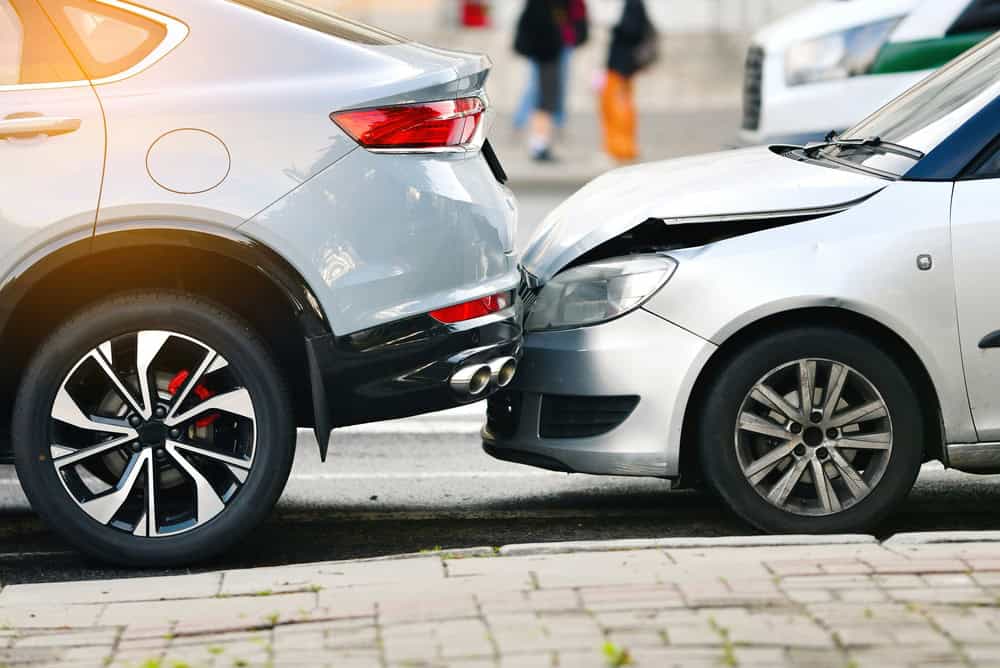
Under Florida law, the driver who hits another vehicle from behind is typically presumed responsible for the collision. This is known as a rebuttable presumption of negligence, meaning it can be challenged with the right evidence.
The presumption exists because of following distance rules. Florida Statute 316.0895 requires every driver to maintain a reasonable and safe following distance behind the vehicle ahead. When a rear driver fails to leave enough room to stop safely, the law assumes that failure caused the crash.
For accident victims, this presumption matters. It shifts the starting point of any claim, placing the burden on the rear driver to prove they were not fully at fault.
When Can the Front Driver Be at Fault?
The rear driver can overcome the presumption by providing clear evidence that the front driver contributed to or caused the crash. Here are the most common exceptions.
1. Sudden or Illegal Stops
If the lead driver stops abruptly in an unexpected place, such as in the middle of a road where no stop is required, they may share responsibility for the collision.
2. Brake Checking
Brake checking happens when the front driver intentionally slams on their brakes to scare or test the rear driver. This aggressive behavior can shift fault to the lead driver.
3. Broken Brake Lights
A rear driver relies on brake lights to react in time. If the lead vehicle’s brake lights or taillights were completely non-functional, the front driver may be found partly responsible.
4. Unsafe Lane Changes
When the front driver cuts off the rear driver or merges too closely without leaving adequate room, they create a dangerous situation that can lead to a rear-end collision.
5. Reversing
If the front car suddenly shifts into reverse and backs into the rear vehicle, fault clearly falls on the front driver.
6. Chain Reactions
In a multi-vehicle pileup, an external force or another vehicle may push cars into each other. In these cases, the rear driver in your specific crash may not be the true cause.
How Do You Build a Defense After a Rear-End Collision?
Overcoming the presumption of fault takes solid evidence. The stronger your documentation, the better your chances of a fair outcome.
Start by gathering evidence at the scene, if you are able. Photos of vehicle positions, road conditions, brake lights, and damage can all support your version of events. This documentation often makes the difference in a disputed claim.
Witness statements also carry weight. A neutral third party who saw the front driver brake check or stop illegally can strengthen your case considerably.
Finally, police reports factor heavily into fault determination. Officers document the scene, note statements, and sometimes assign fault. A report that reflects the front driver’s actions can help you rebut the presumption.
Injured in a Rear-End Collision in Orlando? We Can Help
Fault in a rear-end collision is rarely as simple as it seems. If you were injured in a crash in Orlando, Florida, you deserve a clear understanding of your rights and a fair shot at compensation.
The Law Offices of Amanda E. Wright can review the details of your case, gather the evidence needed to challenge or support a fault claim, and fight for the outcome you deserve. Contact us today for a free consultation.
Frequently Asked Questions
Is the Rear Driver Automatically Guilty in a Rear-End Collision?
No. Florida law applies a rebuttable presumption of negligence to the rear driver, but this presumption can be overcome with clear evidence that the front driver caused or contributed to the crash.
What Evidence Helps Prove the Front Driver Was at Fault?
Photos from the scene, video footage, witness statements, and police reports are the most useful forms of evidence. These can document actions like brake checking, illegal stops, or broken brake lights.
What Does Florida Statute 316.0895 Require?
Florida Statute 316.0895 requires drivers to maintain a reasonable and safe following distance behind the vehicle ahead, based on speed and traffic conditions.
Can I Recover Compensation if I Was Partly at Fault?
Yes, depending on how much fault you share. Under Florida Statute § 768.81, Florida follows a modified comparative fault system. If you are 50% or less at fault, you may still recover compensation, but your damages are reduced according to your percentage of fault. If you are found more than 50% at fault for your own harm, you generally cannot recover damages in a negligence action.
How Soon Should I Contact a Lawyer After a Rear-End Collision?
Contact a lawyer as soon as possible. Evidence can disappear quickly, and prompt action helps preserve documentation, witness memories, and your legal options.